
September 2, 2026
How Should You Store Pipe Tobacco Long-Term?
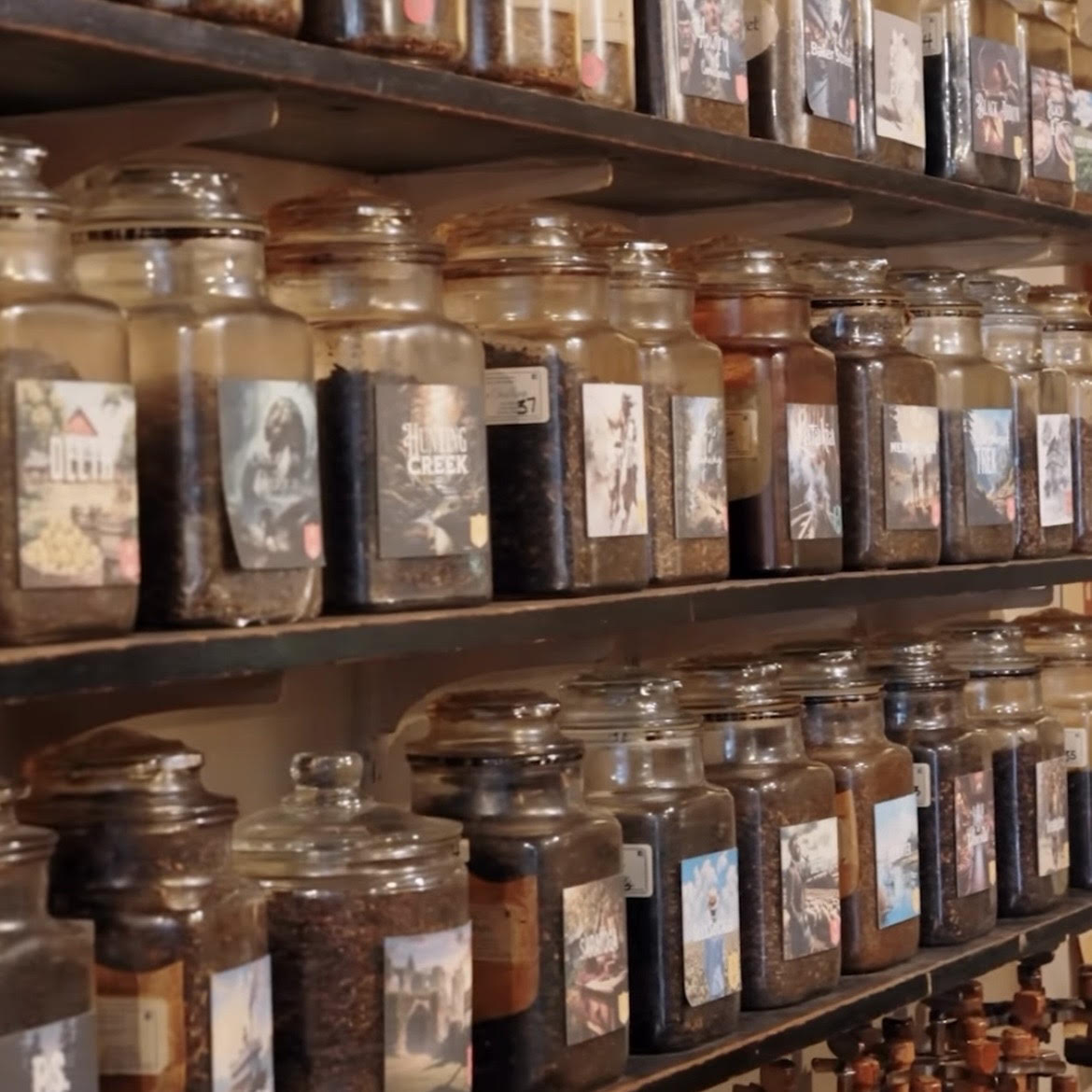
Pipe tobacco doesn’t go bad the way food does, but it does change, and not always for the better. Left in the wrong container or the wrong spot, a blend that was rich and full-flavored a month ago can turn dry, flat, or musty before you’ve worked halfway through the tin. The good news is that long-term storage isn’t complicated once you understand what tobacco actually needs to stay fresh.
Why Pipe Tobacco Storage Matters
Tobacco is a living, breathing leaf product, and it reacts constantly to its environment. Four things drive nearly every storage problem: air exposure, light, heat, and humidity swings. Oxygen slowly dries the leaf and dulls its flavor. Sunlight and heat accelerate that process and can fade the natural sugars that give a blend its character. Humidity that swings up and down, rather than staying steady, is often worse than humidity that’s simply a little high or low. Solve for those four variables and you’ve solved almost every storage problem before it starts.
The Short Answer: What Pipe Tobacco Needs to Stay Fresh
An airtight container, a cool and stable temperature, and a dark storage spot. That’s the whole formula. Everything else, mason jars versus mylar bags, refrigeration versus room temperature, is really just different ways of hitting those three targets.
Mason Jars: The Gold Standard for Long-Term Storage
Wide-mouth mason jars with a two-piece canning lid are the standard tool for a reason: glass doesn’t react with tobacco, doesn’t transfer odor, and the rubber-sealed lid creates a genuinely airtight seal when it’s closed properly.
To jar a fresh tin or pouch, pack the tobacco in loosely rather than tamping it down, leaving a little headspace at the top of the jar. Fresh tobacco releases moisture for the first several weeks after jarring, so open the lid briefly once a day for the first one to two weeks, a step pipe smokers call “burping” the jar, to let excess moisture escape before it can turn into mold. Once the tobacco has settled and you’re no longer seeing condensation on the glass, the jar can be sealed and left alone indefinitely.
Should You Vacuum-Seal or Use Mylar Bags?
For serious long-term cellaring, vacuum-sealed mylar bags are the choice many collectors reach for once mason jars start taking up too much shelf space. Mylar blocks light completely, and a proper vacuum seal removes nearly all the oxygen that would otherwise slowly dry the leaf. The tradeoff is that you can’t see or easily sample what’s inside without breaking the seal, which is why most pipe smokers use jars for tobacco they’re actively smoking through and reserve mylar for blends they intend to age untouched for a year or more.
Original Tins and Pouches: How Long Are They Good For?
An unopened, factory-sealed tin is built for the long haul. The seal keeps oxygen and moisture out entirely, which is why sealed tins are often cellared for years, sometimes decades, without any special handling beyond a cool, dark shelf. Pouches are a different story. Once opened, a pouch’s resealable closure is nowhere near airtight, and tobacco left in one will noticeably dry out within days to a couple of weeks. If you’re not going to finish a pouch quickly, transfer what’s left into a jar rather than trusting the pouch seal.
Does Pipe Tobacco Need to Be Refrigerated or Frozen?
Refrigeration isn’t necessary and can work against you: a refrigerator’s humidity fluctuates every time the door opens, and tobacco readily absorbs the smell of whatever else is in there. Freezing is a different matter. A properly sealed jar or mylar bag can be frozen indefinitely with essentially no flavor loss, since freezing halts the slow chemical aging process altogether. The key word is properly sealed. Tobacco frozen in a container that isn’t airtight will pick up freezer odor and moisture the same way refrigerated tobacco does.
Where Should You Keep Your Jars?
A closet, cellar, or cabinet away from direct sunlight and heat sources, like a stove, a window, or an attic that swings hot in summer, is ideal. Basements and interior closets tend to hold a more stable temperature than kitchens or garages, which matters more than most people expect. A jar that sits at a steady 65 degrees will outlast one that swings between 60 and 85 degrees over the course of a day, even if the average temperature is the same.
Common Storage Mistakes
Leaving an opened pouch as the only container. The resealable strip on most pouches slows drying, it doesn’t stop it, and tobacco left in one for more than a couple of weeks will noticeably suffer.
Storing jars on a sunny windowsill or shelf. Light exposure fades flavor even through glass, and heat from direct sun can be enough to dry tobacco over time even inside a sealed jar.
Skipping the burping step on freshly jarred tobacco. Sealing a jar immediately after packing traps the moisture the leaf is still releasing, which is one of the more common causes of mold in an otherwise well-intentioned storage setup.
Reusing jars with worn or bent lids. A canning lid that no longer seats flat won’t create an airtight seal no matter how tightly the ring is screwed down. Lids are inexpensive to replace and worth checking before you trust a jar for long-term storage.
Frequently Asked Questions About Storing Pipe Tobacco
Can pipe tobacco actually go bad? It won’t spoil the way food does, and mold is rare if it’s kept reasonably dry, but it absolutely can dry out, fade in flavor, or develop off odors if it’s stored carelessly.
How long does tobacco last once it’s jarred? Properly jarred and sealed, most blends stay smokable for years, and many pipe smokers report their favorite tobaccos actually improve over the first year or two in the jar.
Do all blends store the same way? No. Virginia-heavy and English blends tend to age gracefully and often improve with time. Heavily aromatic blends can lose some of their topping flavor over long periods, so they’re generally better enjoyed within a year or two rather than cellared indefinitely.
Is it safe to store tobacco in the original bag long-term? Not recommended. Bags and pouches aren’t built for long-term airtight storage, even when resealed carefully.
Is it normal for tobacco to smell different after time in storage? Some mellowing and blending of flavors is normal and often welcome as tobacco ages. A sharp, sour, or musty smell is not normal and is a sign the tobacco picked up too much moisture.
Final Thoughts
Good pipe tobacco storage comes down to keeping air, light, heat, and humidity swings away from the leaf, and a wide-mouth mason jar with a proper seal handles all four for most smokers without any special equipment. Whether you’re protecting a blend you’re smoking through this month or cellaring something to enjoy years from now, the same handful of habits, jar it, burp it, and keep it cool and dark, will keep it in the condition you paid for.
Stocking up on jars or ready to try a new blend to store away? Browse our pipe tobacco selection for the latest arrivals, or check our accessories for storage tools to keep your collection fresh.